The conclusion first – it’s fine. Absolutely usable, you barely have to think about it, and it is just a car. I repeat – it is just a car.
My previous car was on its proverbial last legs in 2025 so I decided that the time was nigh for the switch to an electric car. We bought a used Hyundai Kona EV, the 2022 model, for about 18,000 dollary-doos. We also paid about $ 2,000 to replace our old electric panel and to install and wire an EV charger at home. Technically, this is just a box with a computer and a computer-controlled switch, but everyone calls it a charger anyway.
We have now lived through a full thirteen months with an electric car, including the famous Canadian winter. How was the experience? Uneventful, except for some learning hiccups. My wife drives to work three days a week so she is the primary user and, as far as she is concerned, this is just a car that happens to plug into the wall. That’s it.
2026 is a turbulent time, at least geopolitically in the middle least, and that means that the price of petrol has increased significantly. I did the maths last year, and on average, we save about $ 250 per month driving an electric car as opposed to a fuel-efficient alternative. If you drive a lifted pick-up truck and the fuel expenses are starting to hit your wallet… I’m happy. Don’t base your purchasing decision based on the edge case. Base them on your regular usage patterns and the minimum you need. Drive a smaller, fuel efficient vehicle. Pressure your law makers to close the “light” truck loophole and return affordability to vehicles. No one should spend the same as a downpayment on a house for a vehicle. No one. Everyone deserves affordable transit and, while we get there, everyone deserves the choice of an affordable vehicle.
The Good
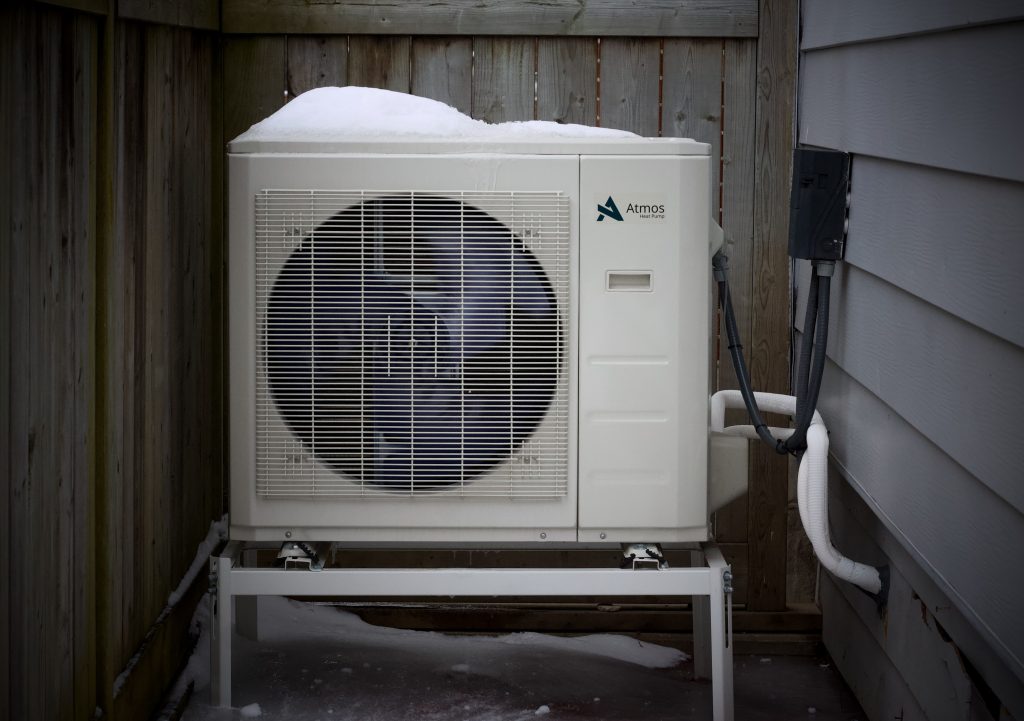
Now that my rant is done, back to the topic. Not paying for petrol meant that our electric bill increased. Yes, we now pay around $ 500* per month for electricity, but that includes running two heat pumps (our house has terrible insulation) and charging the car. On average, we spend around $ 50 per month on electricity for the car, as opposed to an average of $ 400 in the past for petrol. That $ 400 for petrol is now closer to $ 500, considering 2026 prices.
Aside from the significant fuel savings, the car is just… a car. It is simple, there are fewer parts to break and it generally works as advertised. In general, it remains reliable and the battery longevity is better than expected. The odometer is above 180,000 kilometres and the winter range, even on the coldest days (below – 25 C) is above 300 km. This is almost always sufficient. The heat pump works well and the heated steering wheel is wonderful in the winter.
*of that $ 500 bill, the Ontario government, led by Dog Ford the Unintelligent, provides a discount of around $ 80. I do not need that discount. You utter imbecile, use that money on schools and hospitals, not discounts for the rich. The “Dog” here is not a typo.
The bad
Okay, so electricity is cheap and driving an electric car saves you money. What about the downsides?
Well, there are several. Hyundai enshittified this car’s software so that the only way to run the cabin heating while plugged into the wall is via a shitty app on your phone or via Hyundai’s website. In other words, there is no technical reason why you cannot run the heating from the wall, Hyundai only allow that to happen via their control. I initially disconnected the car from the internet but then restored the internet connection because we needed a way to heat the car every winter morning. On most days, this is unnecessary because the car has sufficient range, however, when the ambient temperature is -25 Celsius, those ten minutes of heating using electricity instead of the battery significantly reduce the energy used from the battery for heating. Yes, the hardware to run the heat pump straight from the wall exists, but Hyundai, in their infinite capitalist wisdom, cripple the software so you cannot run it from the wall. Instead, if you use the key fob to turn on the climate remotely while connected to a charger, only the fan turns on, not the heat pump compressor. Thankfully, the internet connection and the app do not require payment, for now.
The scheduled climate function works only when the car is actively charging. Yes, you can set a scheduled departure time and target cabin temperature, but if the car is not charging at that time, the climate control does not run. Enshittification strikes yet again. As a minor aside, the car has needlessly high ground clearance, all in the name of looking “aggressive”. The “aggressive” shape also means that the usable trunk space is smaller than most sedans.
The real problem is the charging situation when you are out and about and the unreliability of the range meter. One time in the winter, my wife drove to a work event, left the car unplugged overnight and returned the following morning to a range estimate that was uncomfortably close to the driving distance back home. What to do? Find a charger, of course, charge for ten minutes, and drive away. This turned into a hassle because the Tesla (pain be upon the Nazi) charging station was snowed in and the chargers that were accessible did not work. She then drove to the next charger only to find them also not working. As luck would have it, the car did have enough charge to get her home, but guessing the range in winter is not a reliable strategy. She arrived home anxious and annoyed.
In fairness, this is down to charging infrastructure not being up to scratch in many locations, but that is the incomplete world in which we live. The simple answer is to allow cars to charge at one or two kilowatts at everyone’s workplace, but that is currently not possible. Hence it is a pain.
The bottom line – should you buy an electric car?
An EV is a hassle. Don’t let anyone tell you otherwise. The question is how much hassle it is for you and how much of that hassle you are willing to deal with. If you already have more than one car and live in a detached home, you should buy an EV. In fact, you must, simply because it is a prudent financial decision. If you do not have reliable access to a charger, don’t buy an EV. We are not yet there.
If regular road trips in the Canadian winter are a regular feature of your life, don’t buy an EV. Your three hour trips will turn into four hours at a moment’s notice.
For the vast majority of people, though, an EV is worth the hassle.