Peru takes its history seriously. The Peruvian government and also the Peruvian people understand the value of their history and culture. They are proud of the fact that Quechua culture continues to exist, despite being ravaged by the Spanish. Machu Picchu, for example, is a world heritage site and you can tell. Meanwhile, behind the Taj Mahal is the Yamuna river, which is overflowing with trash. You can really tell from this one image (here) just how much the Holy Indian Empire cares about its own heritage. We treat the bloody Taj Mahal like trash. This is the reason why all the photos of the Taj are from the same angle, because that angle obscures the filth and faeces behind.
Peru and India really are good examples of the polar opposites of dealing with history and your heritage. India and the Indian state do not give a mosquito’s bum about our history. We do not care. We deface our monuments, we let them rot, we price gouge tourists in a clearly racist manner, we deflect criticism, and will do everything except engage honestly. Honestly, I often feel ashamed to be Indian because despite India being, culturally, one of the wealthiest countries in the world, we treat most of that culture like trash. We have diverse cultures, rich histories, cuisines that are a delicious fusion from the region, world-famous monuments, a chequered history, and one of the oldest continuous civilizations on the planet. We have a lot to learn from ourselves and to share with the world. Instead, all you get is filth, savage behaviour, misinformation, and broken institutions. I would not be surprised if the Indian state demolished the Taj Mahal one day, in the pursuit of some mythical past when Hindus civilization was glorious, also known as “before the Muslims”, who are not Glorious Hindus and therefore bad. It makes me very sad to see that Indian myths and stories are not shared with the world, while Japanese animation sells Japan across the globe. We, instead, gatekeep maps on the internet, instead of admitting that regions of Kashmir are controlled by Pakistan. Take the city where I am from, Bombay. Even the name of the city is a political minefield, with people launching verbal attacks on anyone who dares to use the old name of Bombay, claiming it is “British”. It is actually Portuguese, but why bother with facts? Bombay is a relatively new city by Indian standards, being only about five hundred years old. Even here, there is history at every turn. Every building in the city tells a story, the drainage system harks back to British civil engineering, the church bells have tolled for centuries, as have the temples, mosques and agiaries. If you have seen VT / CST station in the city, it is an architectural marvel. I have been on the official tour of the building interior, but getting tickets was an absolute pain. This could be a goldmine for tourist income. Do we do that? No, absolutely not. If I asked you – India’s trains are an integral part of the country’s past and present, to the point where films romanticise train journeys – so where can you buy a postcard sold by the Indian railways themselves? You can buy postcards at an India Post location, but the process and attitude of the staff will make you wish you were a cat and could hiss at the employees. Does an official railway store exist? Nope.
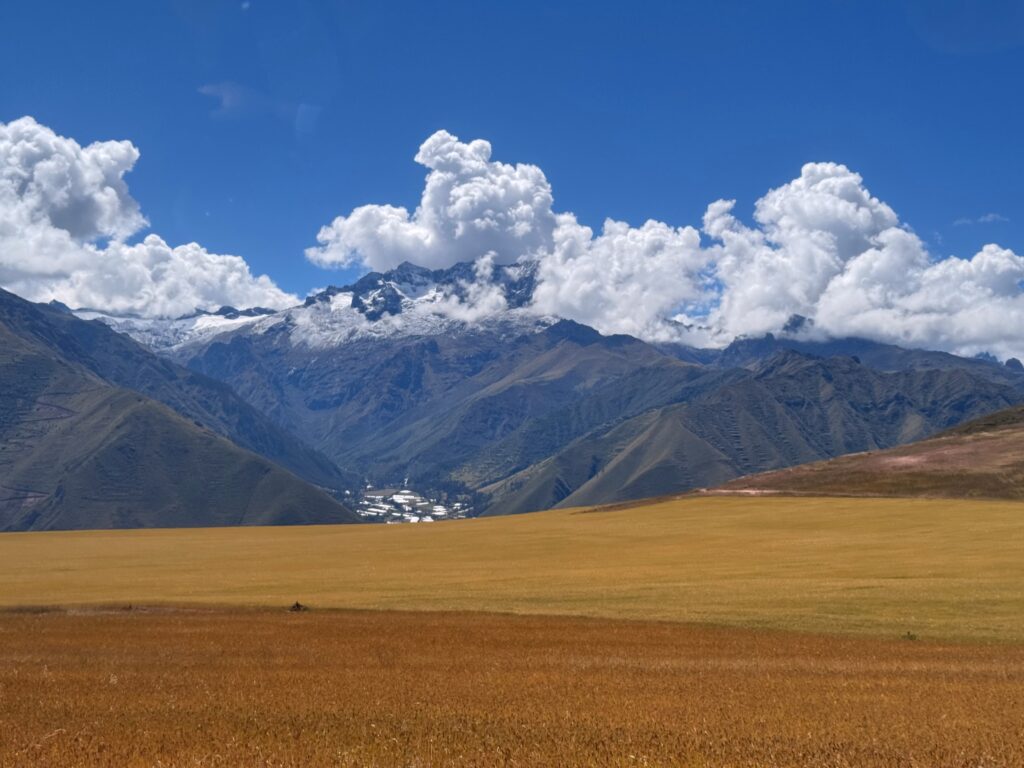
Peru, meanwhile, maintains Machu Pichu in immaculate condition. There is no filth anywhere, no litter, tourists are shamed for littering, and the tour guides have no hesitation in calling out bad behaviour. On the subject of tour guides, the one we had, and the few we encountered, were all brilliant men and women. Knowledgeable, pleasant, and officially licensed. The fact that all tour guides must pass a university course is testament to how seriously Peru takes it history. That history was on full display in the areas around Cusco. Whether the Valle Sagrado, the town of Cusco itself, the trains, the airports, they all showcased some part of Peru’s Inka history and drew a clear line between that history, however painful, and today. There is some shame, some regret at the losses faced, but there is no attempt to deny the past or to rewrite it. Postcards sell both sides of Peru, the good and the bad, and you can even buy postcards with images of protests in Peru.
The budget for India’s Ministry of Culture is only about 19% higher than the budget for Peru’s equivalent. That is shocking, because Peru is a tiny country, with a relatively small economy. This discrepancy shows up in the most frustrating ways. In Peru, finding a licensed tour guide is extremely easy. In India, it is a nightmare. There is an Indian government licensing program for tour guides, and licensed guides do exist, but in true Indian fashion, there are not enough guides. The bureaucrats run what is essentially an extortion racket, and the hassle of finding a licensed guide means that the average tourist rarely finds them, and will instead pick one of the readily available randos, some of whom are potential rapists.
There are some downsides in Peru, but they are minor. Machu Picchu requires tickets and getting those tickets can be a hassle. Most people buy tickets online and that process works well. If you decide to line up for tickets, the process seems to change at random, but you will eventually get tickets. The question is how far in the future the ticket office sells tickets. The day we arrived, it was one and two days ahead. When we departed, they had switched to only three days ahead, apparently without warning. Fine, not the end of the world. Meanwhile, the ticket website for the Taj Mahal only accepts passport numbers that are eight characters long. If yours has more, you are screwed. Without detailed knowledge of the workaround, you are forced to buy tickets at the Taj itself. The bloody website also has timings, so you cannot buy tickets after 18:40 in India. Not the greatest crime, but an example of how Indian tourism is death by a thousand cuts.
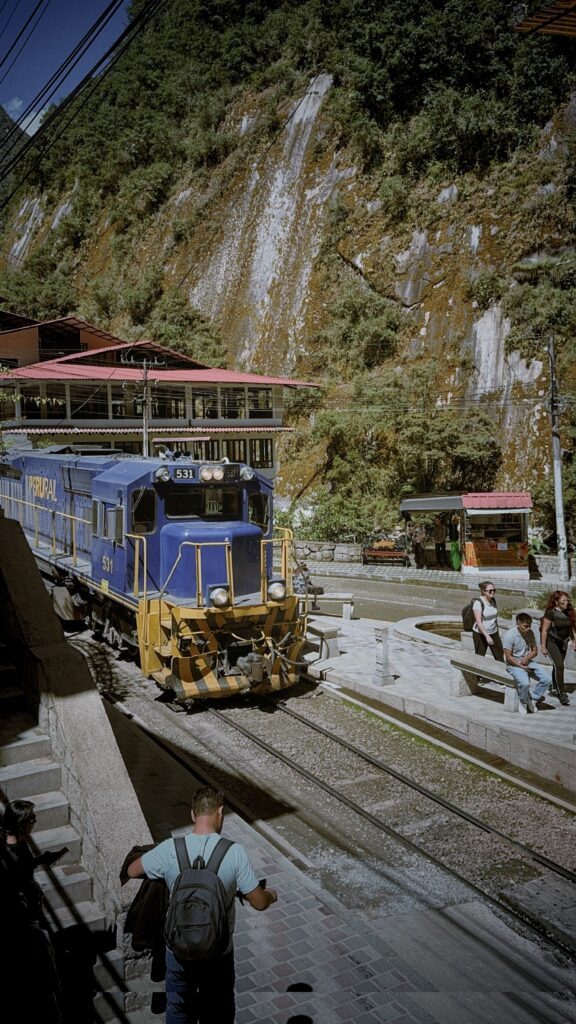
The trains in Peru are weird. Outside of Lima, there is no public train system. The Machu Picchu area does have a train system, but it is privately operated and is mainly for tourists. The tourist trains themselves are perfectly fine, but I was appalled at the two-tier system where locals and tourists travel on separate coaches, with the locals packed like sardines.
Peru wants you to enjoy your stay. Peru wants you to appreciate its culture and history. Peru wants you to spend your money in Peru and they make it very easy. India, though, the less said the better.
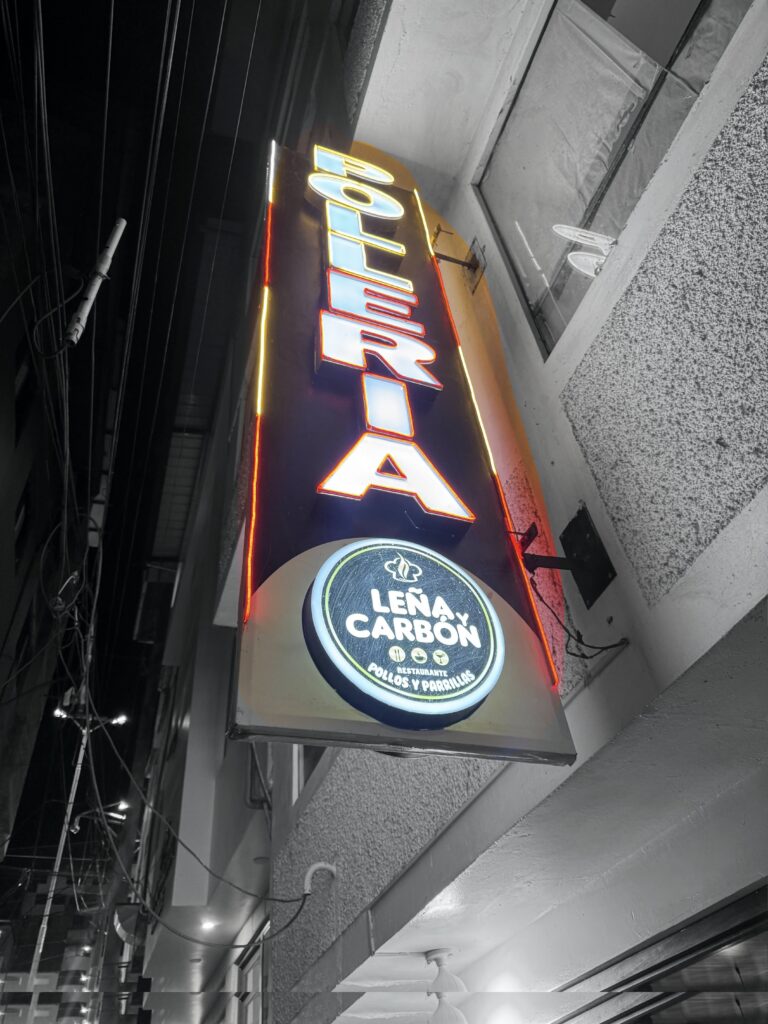
PS – See the image below for a chicken shop recommendation in Cusco. Yes this is technically a chain, but the non-tourist half has excellent local food. This shop has two halves, with the tourist half being on the main street and selling the same menu as in the rest of the country. Ignore that, and go to the half where the locals eat. It will be worth your time. Oh and the potatoes and corn in Peru are excellent! Much better than the standardised North American varieties.