Vancouver was the first city I visited in Canada. According to the Economist, Vancouver is among the world’s most liveable cities. It is easy to see why. At the time, I lived in the Netherlands and visited Vancouver for a reason that would later become very important (my wife). I had never seen North America before and immediately after I stepped off the plane, I saw a woman with her child on a leash. A Canadian woman, travelling back from Amsterdam, had her toddler on a leash.
I associate leashes with animals and human sex acts, not human children. This was already jarring but the visit improved from there. I have since visited Vancouver numerous times and I tremendously enjoy the city. For one, I love the ocean. Yes, Vancouver is not exactly on the open Pacific Ocean but it is close enough. I also love the air. Most cities by open water tend to have clean air. Lately, climate change and wildfires mean that Vancouver’s air is regularly among the most polluted in the world but the rest of the year, it is quite nice.
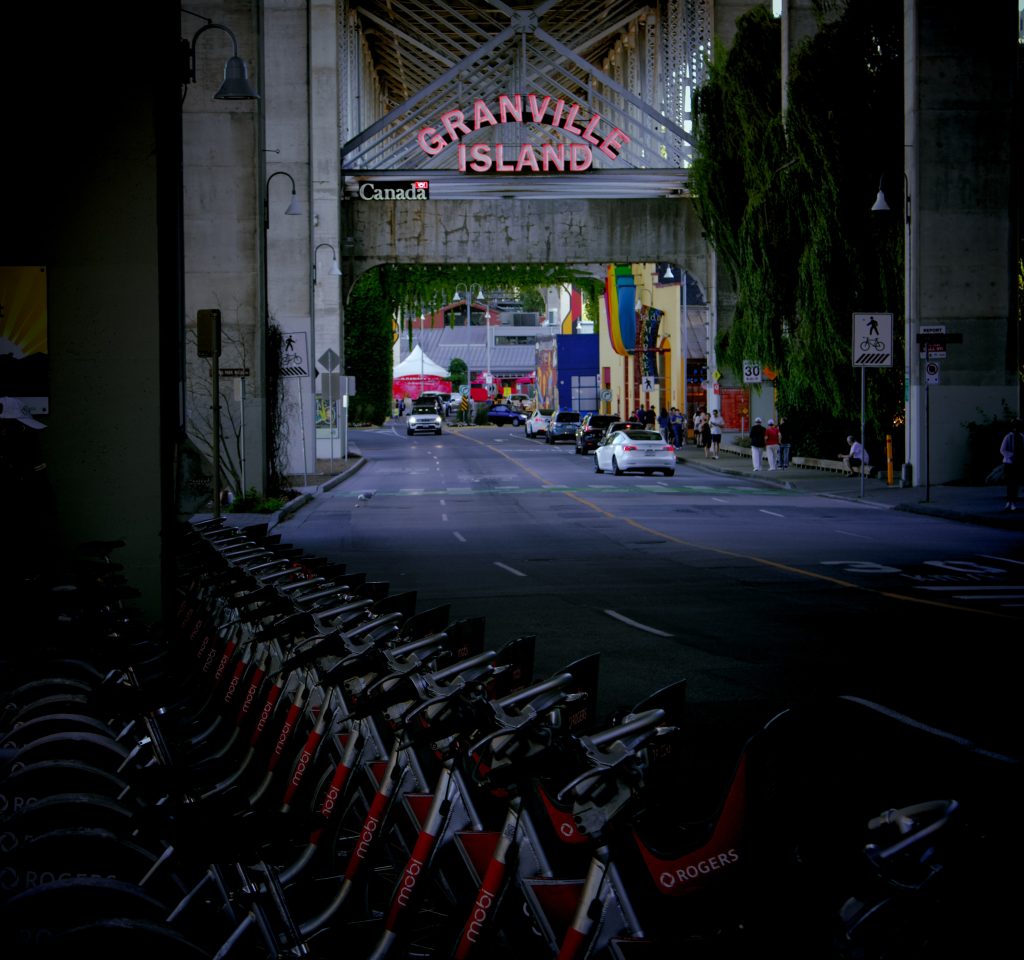
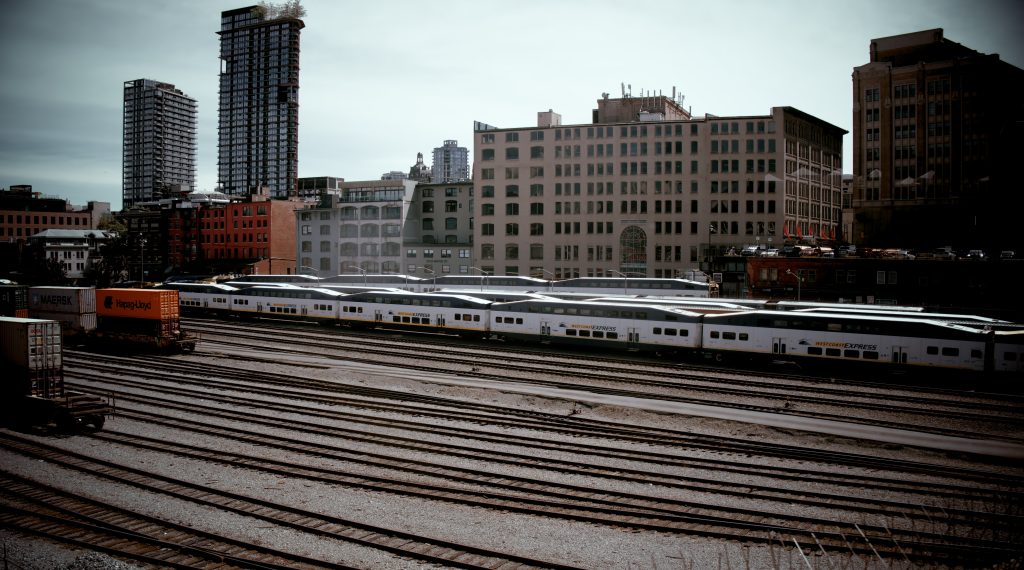
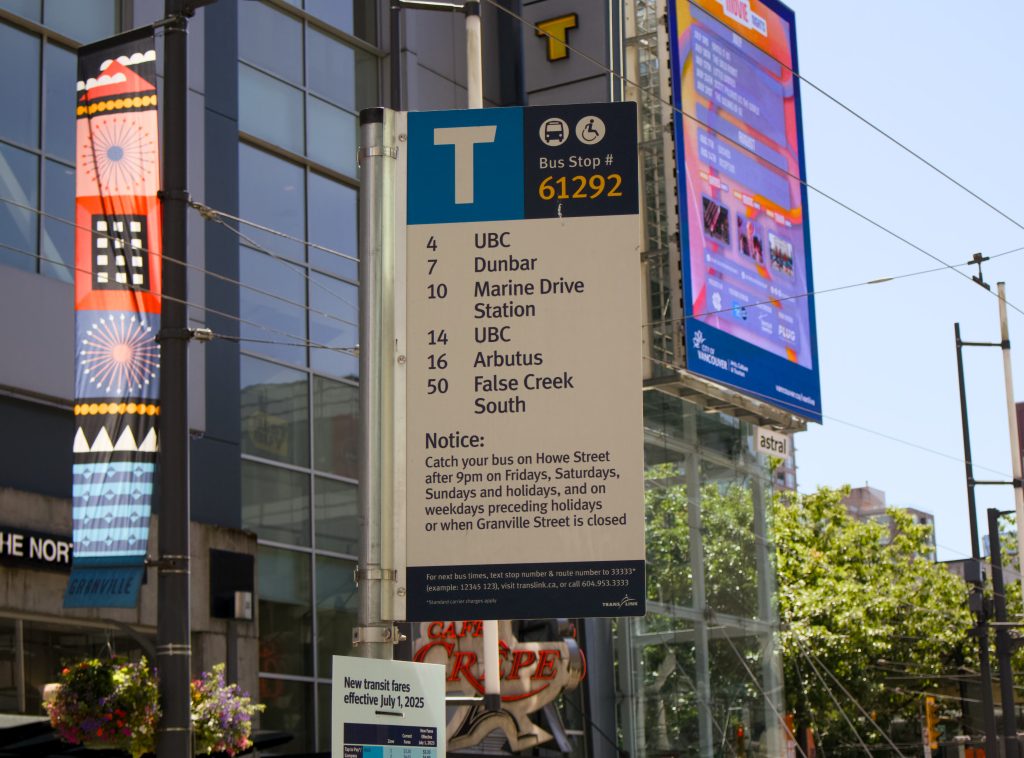
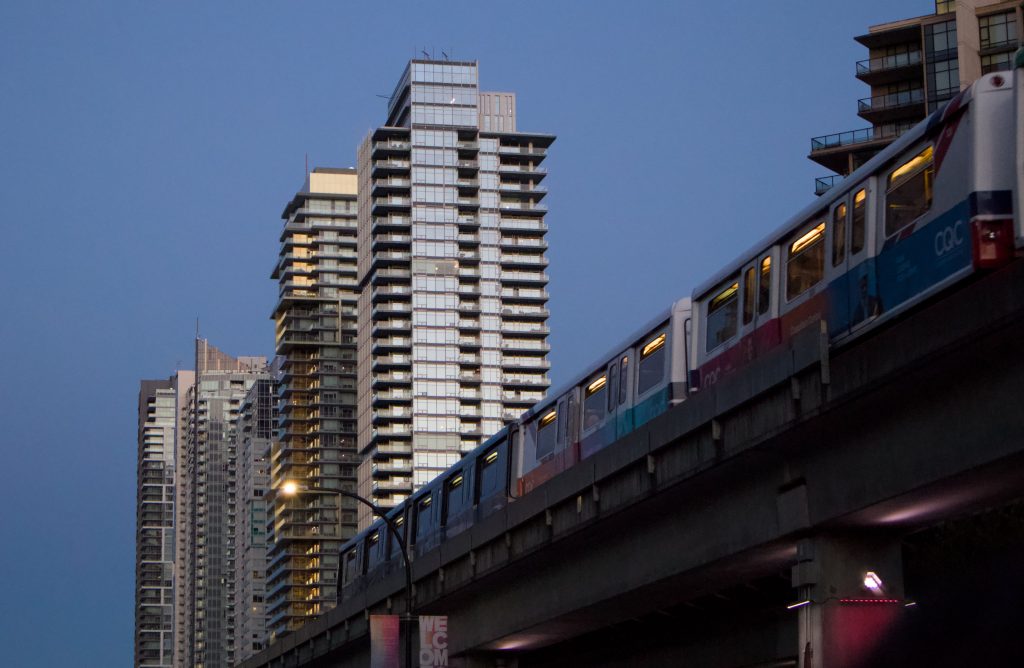
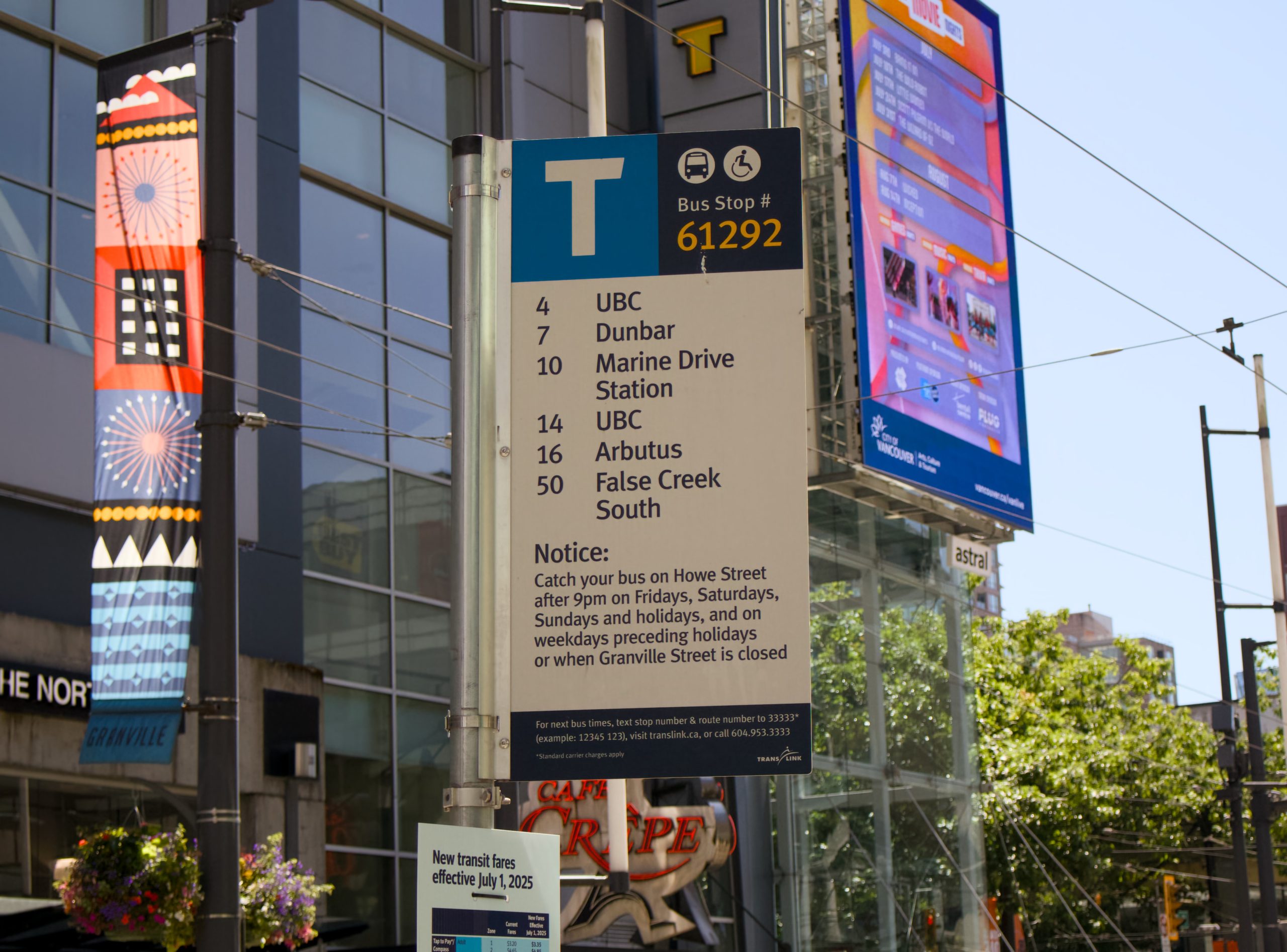
One aspect that I especially like is the public transit. By North American standards, Vancouver’s public transit is amazing. If you live in the city proper, the bus and metro network are excellent. So excellent that you barely need a car. Contrast that with southern Ontario where the entire region is designed around cars and too many people drive vehicles the size of tanks. I feel safer on the Sky Train in Vancouver, with a homeless person nearby than driving along Ontario’s highway 401. Yes, I am inside a climate controlled pod hurtling down the asphalt at 100 km/h, but one wrong move by a danger-loving moron and I could be dead. The worst that is likely on public transit is some homeless person yelling a slur at me. Yes, the homeless problem in Vancouver is significant, innocent people have died and there is a section of the city centre that is largely unsafe, but more than one person dies on Ontario’s highway 401 and you scarcely hear about how monumentally unsafe it is.
I made this point in the past – transit is liberating. Heck, Vancouver’s Sky Trains don’t have drivers and this is technology from the 1980s. That is real freedom. Sitting in the front of a metro train, staring out into the tracks. Some metro stations are extremely well designed. Several Sky Train stations in Burnaby integrate shopping areas, transit and walking paths. That’s how I imagine my ideal life – exit the train, buy groceries and walk home.
People seem to be more active in Vancouver. That could be because the weather is milder or because physical activity offsets some of the crushing problems in the city. One of the most significant is the affordability crisis. Housing in unaffordable. My household is among the top 12% by income but even we would struggle to afford a one million dollar home. And mind, you, a million Canadian dollarydoos gets you into the real estate market in Vancouver, or in less polite terms, you will likely find a house that needs lots of work.
Vancouver’s weather is terrible. Much like western Europe, ocean currents drive warm, moist air towards the poles and this tends to fall as a never ending drizzle. This drains the body and the soul but the humidity is great for plants and wildlife.
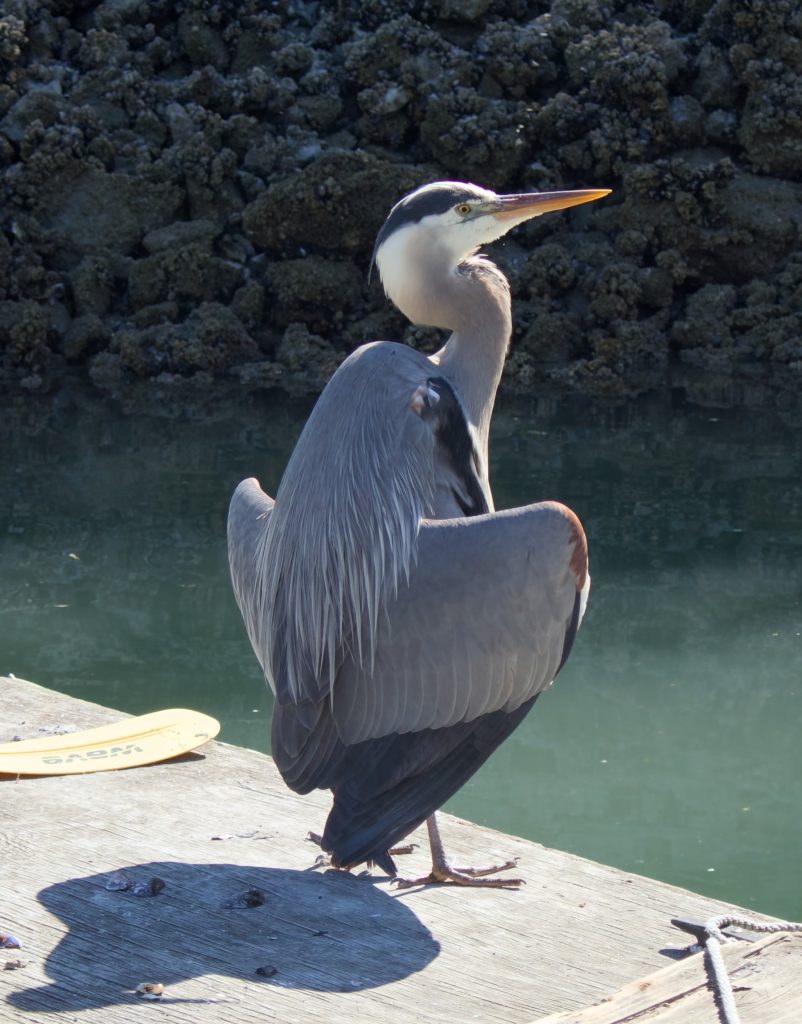
On the upside, you can spot lots of wildlife. Blue herons and even dangerous grizzly bears. I do not recommend trying to pet a bear If you see a bear, you avoid it.
Vancouver island is one ferry ride away. The rocky mountains are close by. If you like skiing, the national parks are a couple of hours away. The US is also nearby but I recommend avoiding their brand of freedom lest you find yourself on a detour to a prison in El Salvador.
Would I live in Vancouver? Sure, if I could afford it. I cannot and am unlikely to ever be able to afford it on my income. Inheritances are nice, but do not count. I wonder what will happen to the city in the long term. The pressures of housing and general affordability will drive some people away. Family will push others to stay. I really hope that the city is able to get its act together and increase its density, allowing more young people to move there and stay.